
NoRamp® G24 Patient Transport Vehicle
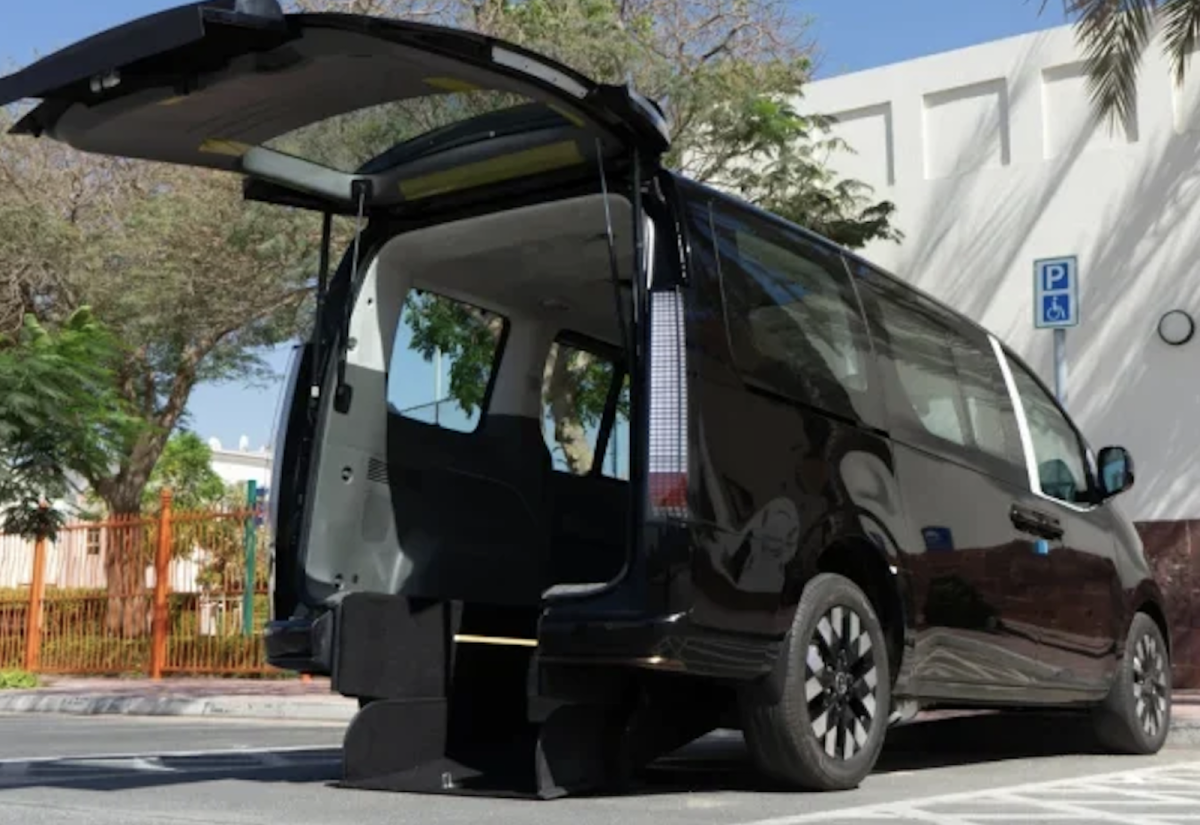
The NoRamp® G24 Patient Transport Vehicle is a low-floor, second-row stretcher docking conversion engineered by Gilani Engineering for Non-Emergency Patient Transport (NEPT), private ambulance providers, hospital transfer services and secondary response fleets. Built on the Hyundai Staria with our internationally patented NoRamp® G24 ground-level car conversion, it integrates a second-row stretcher docking station that secures the patient stretcher your service already uses, delivering low-floor patient loading, reduced manual handling and a compact vehicle footprint suited to urban patient transport.


A Low-Floor Patient Transport Vehicle, Not a Full Ambulance Build
Traditional stretcher vehicles are built on high-floor van platforms that require steep loading ramps or powered lift systems and a large vehicle to operate. The NoRamp® G24 takes a different approach. By lowering the vehicle floor at ground level, it reduces the loading height a clinician has to work with, which can reduce physical strain during stretcher loading and unloading while keeping the vehicle compact and manoeuvrable for city driving, hospital precincts and tight loading bays.
The result is a purpose-built patient transport vehicle designed for lower and medium acuity transfers, secondary response and high-volume urban patient transport, complementing rather than replacing a frontline emergency ambulance fleet.
Built on the Hyundai Staria
The NoRamp® G24 Patient Transport Vehicle is built on the Hyundai Staria. The Staria offers a tall interior, wide rear opening and a vehicle footprint that is easier to drive, park and manoeuvre than a large high-floor ambulance, while still providing the cabin space needed for a second-row stretcher position and clinician access. Combined with the NoRamp® G24 ground-level conversion, the Staria becomes a low-floor patient transport vehicle without the bulk of a traditional stretcher van.
Hyundai Staria hybrid variants are subject to engineering assessment only. Other NoRamp®-compatible vehicle platforms may be considered for patient transport conversions subject to engineering assessment, model year and intended use.


Second-Row Stretcher Docking Station
The patient stretcher fixes directly to the vehicle floor in the second-row position using an integrated floor-mounted docking station (cot fastener system) engineered into the conversion. The floor-mounted docking station locks the stretcher securely in place for transport and releases it for loading and unloading, and is configured to suit the patient transport stretcher your service operates, so your crews keep working with familiar equipment rather than changing their workflow. We confirm stretcher fit and docking-station mounting against the second-row configuration as part of the engineering assessment for each build.
Stretcher compatibility depends on the stretcher model, fastener system, vehicle platform and intended use. All stretchers used for non-emergency patient transport in Australia must meet the relevant TGA and state regulatory requirements for the service operating them.
Compatible patient transport stretchers and equipment can include:
- Selected Stryker® powered and manual ambulance stretchers
- Selected Ferno® patient transport stretchers
- Stretchers using Power-LOAD® or Performance-LOAD® style cot fastener systems, subject to engineering assessment
- Hospital transport stretchers
- Bariatric stretchers, subject to vehicle platform and engineering assessment
Key Benefits
- Low-floor, ground-level patient loading
- Reduced loading height and reduced manual handling for clinicians
- Floor-mounted second-row docking station that locks the stretcher securely in place
- Compact vehicle footprint for urban and hospital-precinct driving
- Faster, more controlled patient loading and unloading
- Improved patient comfort through a reduced loading angle
- Built on the Hyundai Staria for a compact, manoeuvrable footprint
- Built on the internationally patented NoRamp® G24 conversion platform
- Engineered, installed and certified in Sydney by Gilani Engineering
Designed for Modern Patient Transport Fleets
The NoRamp® G24 Patient Transport Vehicle suits organisations that need efficient, repeatable patient transport without the size, cost and complexity of a full high-floor ambulance. It is well matched to:
- Non-Emergency Patient Transport (NEPT) providers
- Private ambulance providers
- Hospital patient transfer services
- Hospital transport stretchers
- Aged care transport
- Dialysis transport
- Community healthcare transport
- Event medical providers
- Airport medical services
- Mining and industrial medical response
Engineering and Certification
The NoRamp® G24 is supplied and installed by Gilani Engineering in accordance with applicable Australian Design Rules (ADR) and state vehicle modification certification requirements. In NSW, vehicle modifications are certified under the Vehicle Safety Compliance Certification Scheme (VSCCS); Gilani Engineering holds VSCCS Licence #170005. Conversions are engineered, installed and certified at our Wetherill Park workshop in Sydney, and the NoRamp® system is internationally patented.
Operators remain responsible for meeting the patient transport licensing, vehicle, equipment and staffing requirements that apply in their state, including the use of TGA-approved stretchers where required.
Why Choose the NoRamp® G24 Patient Transport Vehicle
- Low-floor, ground-level patient loading
- Reduced loading height and reduced manual handling for clinicians
- Floor-mounted second-row docking station that locks the stretcher securely in place
- Compact vehicle footprint for urban and hospital-precinct driving
- Faster, more controlled patient loading and unloading
- Improved patient comfort through a reduced loading angle
- Built on the Hyundai Staria for a compact, manoeuvrable footprint
- Built on the internationally patented NoRamp® G24 conversion platform
- Engineered, installed and certified in Sydney by Gilani Engineering
Frequently Asked Questions
It is a low-floor patient transport vehicle built on the Hyundai Staria using Gilani Engineering's internationally patented NoRamp® G24 conversion. A floor-mounted stretcher docking station is fitted in the second-row position, securing the patient transport stretcher your service operates for safe, low-floor patient loading and transport.
The stretcher fixes directly to the vehicle floor using an integrated floor-mounted docking station (cot fastener system). The docking station locks the stretcher in place for transport and releases it for loading and unloading. It is configured to match the stretcher model and fastener system your service already uses.
The second-row docking station can be configured for selected Stryker® and Ferno® patient transport stretchers, stretchers using Power-LOAD® or Performance-LOAD® style cot fastener systems, hospital transport stretchers and bariatric stretchers. Compatibility depends on the stretcher model, fastener system and vehicle platform, and is confirmed during the engineering assessment.
No. The NoRamp® G24 Patient Transport Vehicle is a purpose-built patient transport vehicle for lower and medium acuity transfers, secondary response and high-volume urban patient transport. It is designed to complement an emergency ambulance fleet rather than replace frontline ambulances.
It suits Non-Emergency Patient Transport (NEPT) providers, private ambulance providers, hospital patient transfer services, aged care and dialysis transport, community healthcare services, event medical providers, airport medical services and mining or industrial medical response.
Yes. The conversion is engineered, built and certified by Gilani Engineering in accordance with applicable Australian Design Rules (ADR) and state vehicle modification certification requirements. In NSW, modifications are certified under the Vehicle Safety Compliance Certification Scheme (VSCCS); Gilani Engineering holds VSCCS Licence #170005. Operators remain responsible for meeting the patient transport licensing, vehicle, equipment and staffing requirements in their state, includ