Our range of hospital beds and adjustable beds is designed to support comfort, positioning and mobility assistance in home care, aged care and clinical environments. These beds include electric hospital beds, adjustable home care beds and massage beds designed to improve safety, accessibility and everyday comfort.
Hospital beds are often used with specialised pressure care mattresses and accessories such as bed rails or over-bed tables to improve safety, accessibility and everyday comfort.
Showing all 18 resultsSorted by popularity


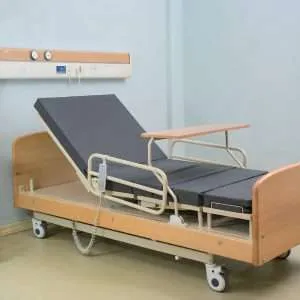

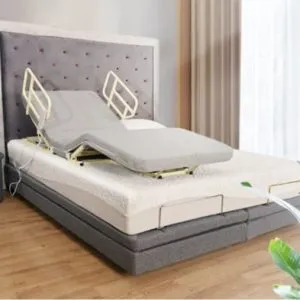

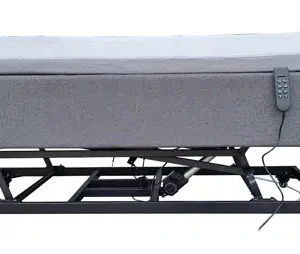

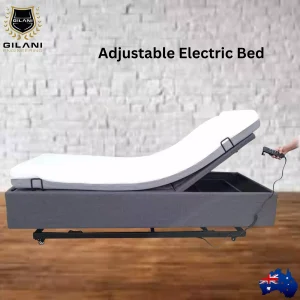
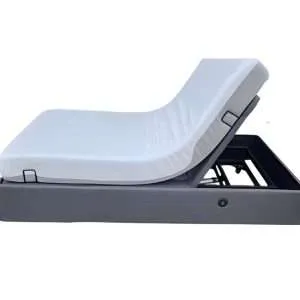


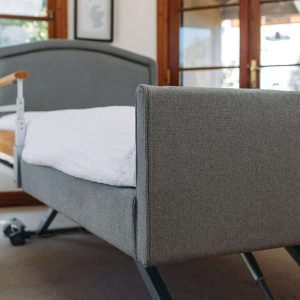

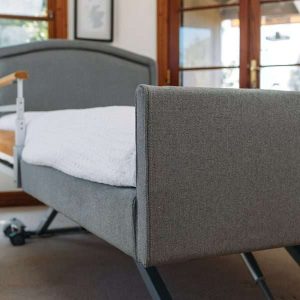

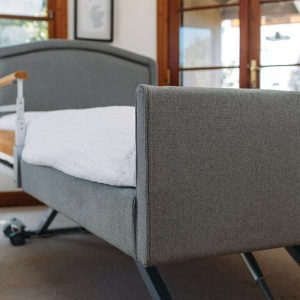

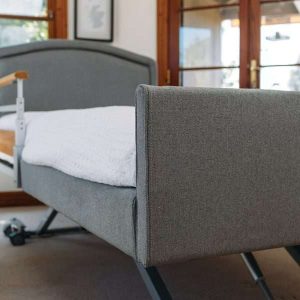

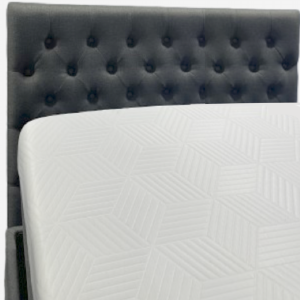 Sale!
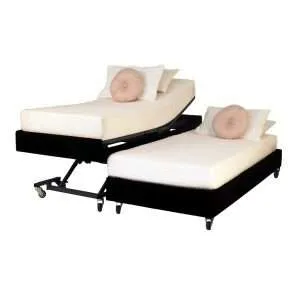

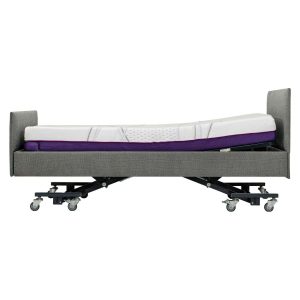
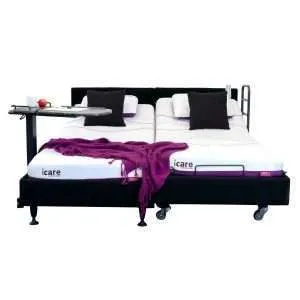
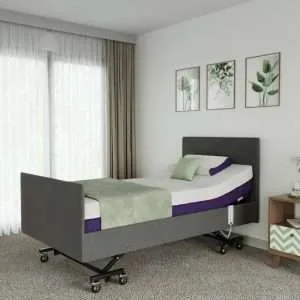
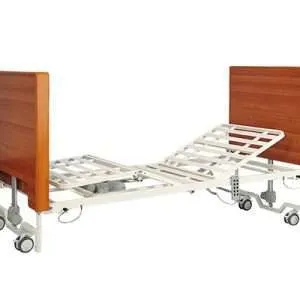
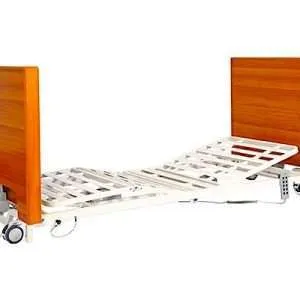
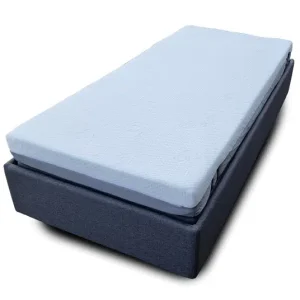

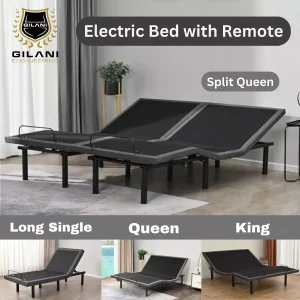

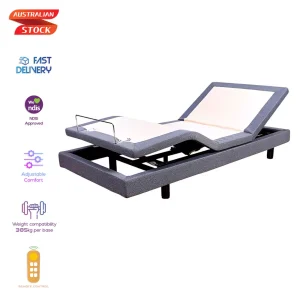

We supply electric hospital beds, hi-low beds, rotating beds, bariatric beds and adjustable beds for home care, aged care, disability support and rehabilitation. Also known as medical beds, nursing beds, patient beds or home care beds.
Every bed we sell is delivered into the room, assembled, tested and demonstrated to the family before we leave.
Reviewed by Ray Gilani — Master Automotive and Mechanical Engineer, VSCCS Certifier Licence #170005.
On this page
Start with how the person moves, not with the product list.
| If the person | Look at |
|---|---|
| Can get in and out of bed but wants better positioning and comfort | Electric adjustable beds |
| Needs a carer to help with transfers | Hi-low hospital beds |
| Struggles to move from lying to sitting | Rotating hospital beds |
| Is at risk of falling out of bed | Full-drop hi-low beds |
| Weighs more than a standard frame supports | Bariatric beds |
| Spends most of the day in bed | Pressure care mattresses |
| Needs a bed for a few weeks or months only | Hospital bed hire |
Not sure? Call (02) 8740 8963 and tell us how the person transfers. Two minutes on the phone narrows it faster than any product page.
A bed is not something you should buy from a photograph. Ours are set up in the Smithfield showroom, and if you cannot get there, our mobile showroom brings equipment to your home so the person who will actually use the bed can try it in the room it will live in.
Bring the carer as well as the user. A bed that suits one and not the other does not work.
| Bed type | Adjustment | Best for |
|---|---|---|
| Manual | Hand crank | Basic support, occasional adjustment |
| Semi-electric | Powered backrest and legs, manual height | Moderate care needs |
| Fully electric | Full motorised positioning | Home care, elderly, NDIS participants |
| Hi-low | Powered height adjustment | Carer-assisted transfers, falls risk |
| Rotating | Powered rotation to seated position | Difficulty moving from lying to sitting |
| Bariatric | Full motorised, reinforced frame | Higher weight capacity requirements |
| Adjustable | Head and foot elevation | Comfort and positioning, lower care needs |
Adjusted by the user or carer using a handset. Backrest elevation, leg elevation, knee break positioning and height adjustment. Used where a standard bed no longer provides enough positioning or transfer support.
Our 5-function bed is TGA registered under ARTG No. 404416, with a 225kg safe working load, full-length safety rails, corded remote and mattress included.
The sleeping surface raises and lowers to suit transfer height and carer needs. A higher position reduces bending during personal care. A lower position may suit someone assessed as at risk of falling from bed.
Recommended where safer transfers, carer ergonomics and falls risk are the deciding factors.
Rotates the user towards a seated transfer position, reducing the effort needed to get in and out of bed. Often considered for people living with Parkinson’s disease, stroke-related impairments, arthritis or neurological conditions.
Suitability depends on the individual’s mobility, strength, balance, cognition and transfer ability.
Where the user’s weight exceeds the capacity of a standard frame, a bariatric bed provides a reinforced frame, wider sleeping surface and higher safe working load.
Weight capacity is not a figure to approximate. Confirm the user’s weight before ordering, and allow for a hoist sling or pressure mattress if either will be used on the bed.
Chosen for comfort and everyday home use. Head elevation, leg elevation, improved resting posture and easier repositioning. Suitable for elderly users, people recovering from surgery, or anyone needing more than a standard bed provides.
Users with higher care needs generally require a hospital bed instead, for the height adjustment, side rail compatibility and carer access.
Manual beds adjust using hand cranks at the foot of the bed. They suit users needing occasional repositioning rather than daily adjustment, or environments where power access is limited.
Semi-electric beds power the backrest and legs but leave height manual — which is the adjustment used most in daily care. Where a carer assists several times a day, fully electric is the more practical choice.
A hospital bed arrives as a heavy flat-packed frame, a mattress, rails, a remote and a bag of fasteners. Most suppliers leave it in the hallway.
We bring it into the bedroom, assemble it, fit the mattress and rails, test every function, show the family how to work the remote, and take all the packaging away.
Coming home from hospital? Tell us the discharge date and we will work backwards from it. Discharge dates move, and we move with them.
For short-term needs after surgery, during palliative care, or while a funding application is being assessed. Hire from 14 days, with hire-to-buy available if the need becomes permanent.
Hospital bed hire and cost calculator
The right bed matches the user’s mobility, transfer ability, pressure care needs, carer requirements and home environment. A bed that suits today should also suit likely changes in mobility over the next few years.
If the user can stand and pivot, a hi-low bed positions the mattress at a safer transfer height. If they struggle to move from lying to sitting, a rotating bed may help. If transfers need physical assistance, patient transfer aids or a hoist should be considered alongside the bed.
Backrest elevation, knee break positioning, side rails and mattress selection all affect how easily someone can roll, sit up and reposition. For users who cannot reposition independently, pressure care and carer access matter most.
A lower sleeping surface may suit someone assessed as at risk of falling from bed. Bed rails assist some users but not all, and should be selected against assessed need, cognition and care planning rather than fitted by default.
Users spending extended periods in bed need a suitable pressure care mattress. Consider pressure redistribution, user weight, skin integrity, repositioning ability, and whether foam, hybrid or alternating air is appropriate.
Height adjustment reduces bending during personal care, repositioning, dressing and transfers. A bed that protects the carer’s back is a bed that keeps someone at home for longer.
Check the narrowest doorway, clearance on at least one long side of the bed for transfers, floor space for a hoist if one will be used, and a power point within reach of the head end.
Send us a photo of the room when you order and we will confirm what will fit.
The mattress should match the bed frame, user weight, clinical need and care environment. Pairing the right bed with the right mattress supports safer positioning and pressure management.
Most people we supply want to stay in their own home rather than move into residential care. A hospital bed is often the single piece of equipment that makes that possible.
NDIS Funding Assistance Available. Hospital beds, hi-low beds, rotating beds and pressure care mattresses may be considered assistive technology where they support functional independence, safe care, transfers, positioning or pressure management. For NDIS participants, the bed should be linked to functional goals, care needs, home environment and professional recommendations.
Also available through Support at Home (AT-HM funding), DVA Rehabilitation Appliances Program (RAP), icare, workers compensation and CTP schemes.
Repairs, servicing and maintenance are fundable under NDIS Support Category 19, with no new assessment required.
If an OT is prescribing the bed, we supply itemised quotes with full specifications and compliance documentation for the funding submission, and we liaise with the plan manager or support coordinator directly.
OTs can call (02) 8740 8963 to discuss specifications, request written quotes, or arrange a demonstration with the family present.
We service and repair beds from our own workshop at Wetherill Park, including beds we did not supply. We hold parts and we come to you. You are not chasing an overseas manufacturer through a web form.
Over 18 years supplying and servicing mobility equipment, from our Smithfield showroom and Wetherill Park factory. Registered NDIS provider. ISO 9001 certified.
Most suppliers sell the bed and outsource the delivery. Most delivery companies move the bed and know nothing about it. We do both, which means the person assembling your bed can answer your questions about it.
What is the difference between a hospital bed and an adjustable bed?
An adjustable bed is designed for comfort and positioning. A hospital bed is designed for care needs, safer transfers, carer access, pressure management and clinical positioning. Some users only need an adjustable bed; others need a hi-low, rotating or more specialised medical bed.
What is the difference between a medical bed and a hospital bed?
They are the same thing. Medical bed, nursing bed, patient bed, home care bed and hospital bed all describe an adjustable bed built for assisted care, with height adjustment, side rail compatibility and a reinforced frame. The term used usually depends on who is doing the describing — clinicians tend to say hospital bed, suppliers say medical bed, families say the bed.
Can hospital beds be used at home?
Yes. Many are designed specifically for home care, aged care and disability support environments, assisting with transfers, positioning, pressure care and carer support while the user stays in a familiar home.
What is a hi-low hospital bed?
A height adjustable bed where the sleeping surface raises and lowers. This helps with transfers, carer access and falls risk management, depending on assessed needs.
Who may benefit from a rotating hospital bed?
People who have difficulty moving from lying to sitting, including some living with Parkinson’s disease, stroke-related impairments, arthritis or neurological conditions. Suitability should be assessed against strength, balance, transfer ability and care requirements.
What mattress should be used with a hospital bed?
The mattress must be compatible with the bed frame and selected for comfort, pressure care needs, body weight, skin integrity and repositioning ability. Some users need a standard hospital bed mattress, others a pressure care or alternating air mattress.
Do you deliver and assemble the bed?
Yes. Delivery into the room, full assembly, mattress and rails fitted, every function tested, demonstration to the family, and all packaging removed. Old bed removal on request.
Can you deliver before a hospital discharge?
Yes. Tell us the expected discharge date when you order. Discharge dates change often, so call as soon as you have an indication and we will adjust the delivery window.
Will the bed fit through my door?
Hospital beds are delivered in sections and assembled in the room, so assembled width is not the constraint. Measure your narrowest doorway and tell us when you order. If access is tight, send a photo and we will confirm before delivery day.
Do hospital beds help with transfers?
Yes, by allowing mattress height and backrest position to be adjusted. Hi-low beds position the user at a safer transfer height; rotating beds assist users moving from lying to sitting before standing.
Do I need bed rails?
Not necessarily. Bed rails assist some users with repositioning and bed mobility but are not suitable for everyone. They should be selected against assessed need, transfer ability, cognition, falls risk and care environment.
Can hospital beds be used with transfer aids and hoists?
Yes. Beds are often used alongside transfer aids, standing aids, slide sheets and hoists. The right combination depends on mobility, weight-bearing ability, transfer method and carer support.
Are hospital beds NDIS approved?
The NDIS does not approve or certify individual products. It registers providers and funds assistive technology where it meets a participant’s assessed needs. Gilani Engineering is a registered NDIS provider, and our beds are TGA registered — the 5-function electric hospital bed is ARTG No. 404416.
What matters for funding is whether the bed is reasonable and necessary for the participant’s goals, supported by an occupational therapy assessment. NDIS Funding Assistance Available.
How do I choose the best hospital bed for home care?
Consider mobility, transfer ability, falls risk, pressure care needs, carer requirements, room size and long-term needs. A hi-low bed suits safer transfers; a rotating bed suits users who struggle to get in and out of bed. Call us and we will narrow it down.
Tell us how the person transfers, whether a carer is assisting, and how much of the day they spend in bed.
We will tell you which bed suits and which does not. We would rather you bought the right bed than the most expensive one.

We're here to help you find the right solutions for your needs
Send us your enquiry and our team will contact you with product details, pricing and availability.