Patient hoists, transfer hoists and sling lifters designed to support safe, stable and ergonomic patient transfers for users with limited mobility. Commonly used in home care, aged care and rehabilitation settings, these lifting systems help reduce caregiver strain while improving comfort, positioning and transfer safety.
Showing all 18 resultsSorted by popularity




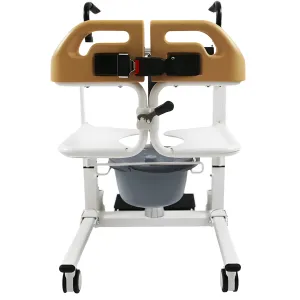
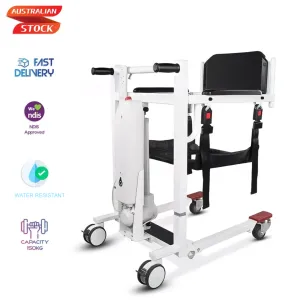
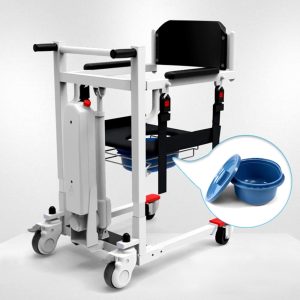
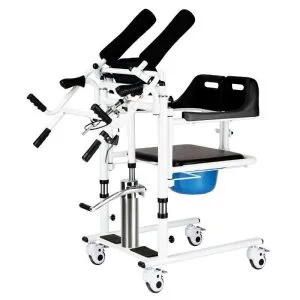

 Sale!
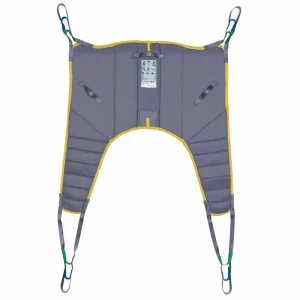
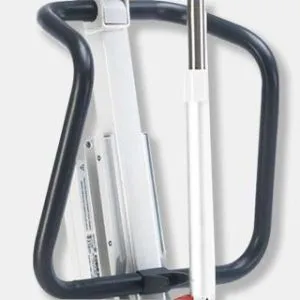
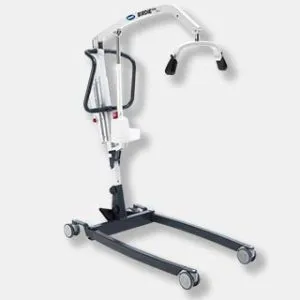
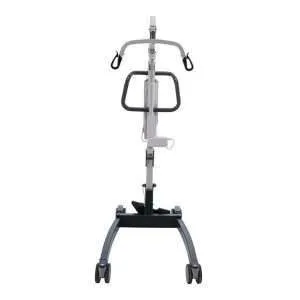
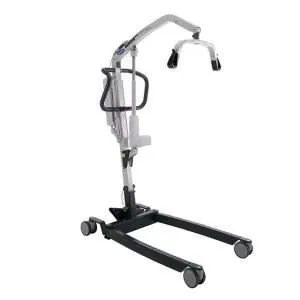
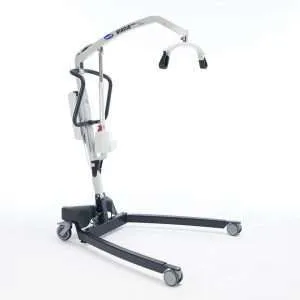
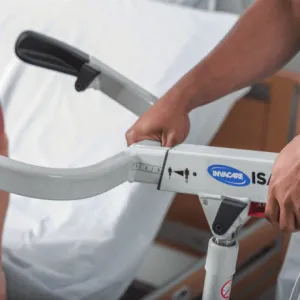
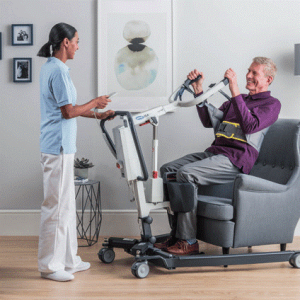
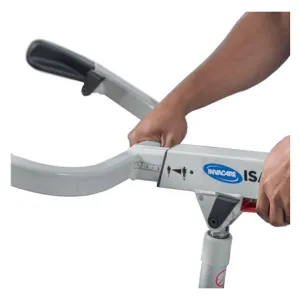
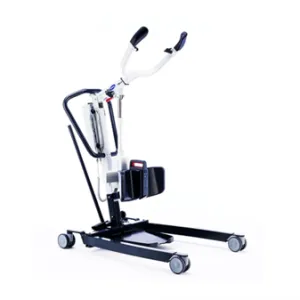
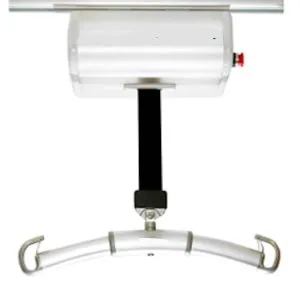
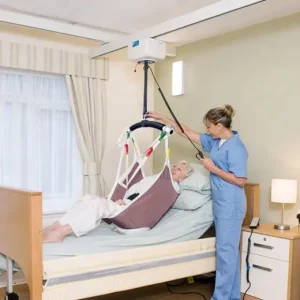
Patient hoists and patient lifters provide mechanical assistance for moving people who require support during transfers between beds, chairs, wheelchairs, commodes and other suitable surfaces. When correctly selected and operated, patient lifting equipment can reduce manual lifting demands while supporting safer, smoother and more controlled transfers.
Gilani Engineering supplies a range of electric patient hoists, mobile floor hoists, portable patient lifters, standing-assist hoists, ceiling hoists, sling lifters and vehicle transfer hoists for home care, aged care, disability support and healthcare environments across Australia.
Not sure which patient hoist is suitable?
Tell us about the user’s weight, mobility, transfer requirements, sling needs and intended care environment. Our team can explain the available options and help arrange a product quotation, showroom demonstration or home trial.
A patient hoist is a mechanical lifting device that assists a carer with transferring a person who cannot complete the transfer safely or independently. Depending on the design, a patient hoist may use a full-body sling, standing sling, spreader bar or ceiling-track system.
Patient hoists may also be described as:
The appropriate terminology and equipment depend on whether the person is unable to bear weight, can partially assist with standing, requires full-body support or needs a fixed ceiling-mounted transfer system.
| Hoist type | How it works | Common applications | Important considerations |
|---|---|---|---|
| Mobile floor hoist | A wheeled patient lifter positioned around compatible beds, chairs, wheelchairs and commodes. | Home care, aged care, disability support and transfers between different rooms. | Requires suitable floor space, furniture clearance and an appropriate sling. |
| Passive full-body hoist | Uses a full-body sling to support a person throughout the lifting and transfer process. | People with little or no safe weight-bearing ability who require full lifting support. | Sling size, head support, posture, attachment type and user capacity must be assessed. |
| Standing hoist | Assists an appropriate user from a seated position toward standing using a standing sling or support system. | Users who can participate in the transfer and have sufficient weight-bearing and trunk control. | Not suitable for every person. Individual assessment is important before selection. |
| Ceiling hoist | Travels along a professionally installed ceiling-track or gantry system. | Frequent transfers within a dedicated bedroom, bathroom or care environment. | Requires site assessment, an appropriate track layout and professional installation. |
| Vehicle transfer hoist | A specialised portable system designed to assist suitable transfers into and out of a vehicle. | Vehicle access where a person cannot transfer independently. | Compatibility depends on the user, vehicle, available access and transfer method. |
| Feature | Mobile floor hoist | Ceiling hoist |
|---|---|---|
| Installation | Generally does not require permanent installation. | Requires an appropriate ceiling-track or gantry system. |
| Movement | Can be moved between suitable transfer locations and rooms. | Movement is limited to the installed track layout. |
| Floor space | Requires floor clearance for the base, castors and carer access. | Has no mobile base occupying the transfer area. |
| Common use | Home care, facilities and transfers across multiple locations. | Frequent transfers within a dedicated care space. |
| Planning | Requires equipment, sling and environmental suitability checks. | Requires equipment selection, site assessment and installation planning. |
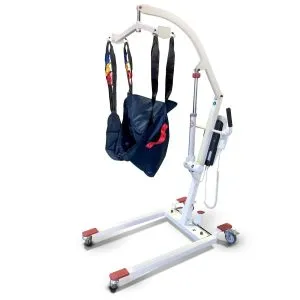
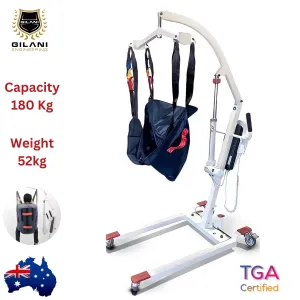
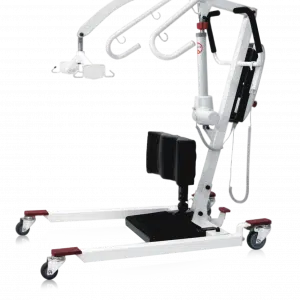
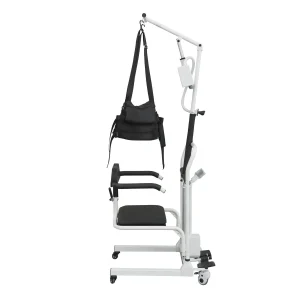
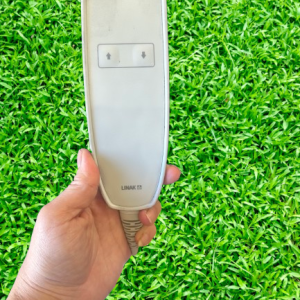
This electric mobile floor hoist is designed for assisted transfers between compatible beds, chairs, wheelchairs and commodes. It has a 180kg safe working load, an adjustable wheeled base, electric lifting and lowering and an included universal loop-style sling.
View the Portable Electric Patient Hoist – 180kg
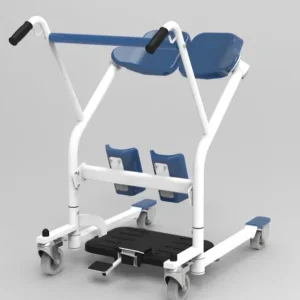
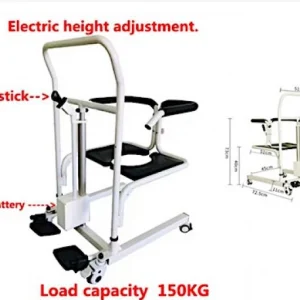
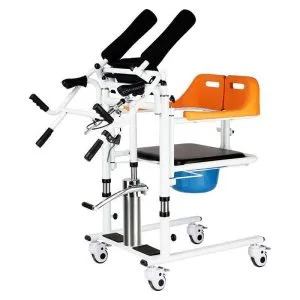
This 2-in-1 patient lifter combines full-body sling transfer capability with a standing-assist function for appropriately assessed users who can participate in the standing process. It provides an option for care environments that may require more than one form of assisted transfer.
The standing function is not appropriate for every user. Suitability should be considered according to the person’s weight-bearing ability, posture, strength, transfer requirements and professional recommendations.
View the 2-in-1 Patient Hoist – 200kg
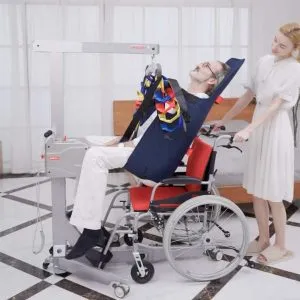
A ceiling-mounted patient transfer system may be suitable where frequent transfers are required within a dedicated bedroom, bathroom or care space. Ceiling hoists reduce the need for a mobile base on the floor but require an appropriate track system and professional installation.
View the Advanced Ceiling Hoist – 200kg
This ceiling-mounted lifting system is designed to operate with a suitable track or gantry arrangement. Ceiling-hoist design and installation must account for the intended transfer route, building structure, user requirements and sling selection.
View the Ceiling Hoist for Patient Transfer
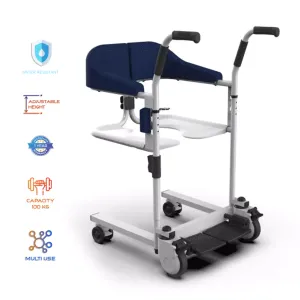
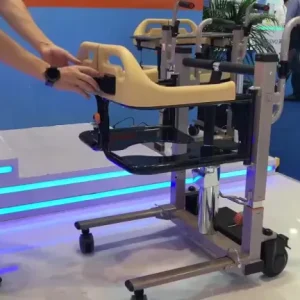
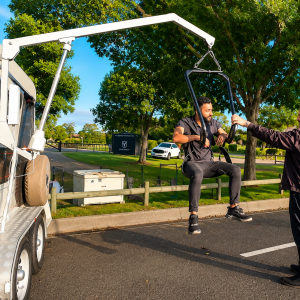
This specialised foldable hoist is designed to assist appropriate person transfers into and out of compatible vehicles. It can be stored in a vehicle when not in use, subject to available boot space and the product’s transport requirements.
Vehicle transfer suitability depends on the user, the transfer technique, the vehicle opening, available interior space and the recommendations of the person’s treating or assessing professional.
View the Portable Vehicle Transfer Hoist
The hoist and sling operate together as a patient lifting system. Selecting an appropriate sling is essential because the user’s body measurements, posture, mobility, skin condition, head control, transfer activity and level of support can affect sling suitability.
Always confirm that the sling’s size, safe working load, attachment type and design are compatible with the selected hoist and user. Do not mix hoists and slings unless compatibility has been confirmed by the relevant manufacturer or supplier.
Contact Gilani Engineering for assistance with patient-hoist sling options.
A patient hoist may be considered where a person cannot complete a transfer safely or where manual assistance creates unacceptable demands or risks. Examples may include people with:
Suitability must be considered individually. A diagnosis alone does not determine which hoist, sling or transfer method is appropriate.
Mobile floor hoists are commonly considered for home care because they generally do not require permanent installation and can be moved between suitable transfer locations. However, the home environment must provide enough space for the hoist base, castors, furniture clearance, sling application and carer access.
Before choosing a patient hoist for home use, consider:
Where the environment is unsuitable for a mobile floor hoist, a ceiling-track or other transfer solution may need to be considered.
Call (02) 8740 8963 or contact our team to discuss current hire, trial and delivery availability.
A patient hoist may be funded as assistive technology where it relates to the participant’s disability, meets the applicable NDIS funding requirements and is included or approved through the appropriate process. Funding is not automatic and requirements depend on the participant, equipment and proposed support.
For mid-cost assistive technology between $1,500 and $15,000, written evidence may be required from an allied health practitioner or another assistive-technology advisor. This evidence may be provided as a letter, email or report and does not necessarily need to be a formal assessment.
Gilani Engineering can prepare a product quotation and provide available product specifications and supporting documentation. Participants should confirm the applicable evidence and purchasing process with their NDIS contact, assistive-technology advisor, support coordinator or plan manager before ordering.
Request an NDIS equipment quote
Need a patient-hoist quotation?
We can prepare a quotation for private purchase, NDIS, Support at Home or another funding pathway. Supporting documentation depends on the selected product and applicable program requirements.
Eligible older Australians may be able to access assistive technology through the Support at Home program, subject to assessment, approval, available funding and applicable program requirements.
Customers should confirm eligibility and the purchasing process with their Support at Home provider, care coordinator or other appropriate program contact before ordering a patient hoist.
Gilani Engineering works with occupational therapists, physiotherapists, carers, support coordinators and other healthcare professionals to assist with product information, trials, quotations and available supporting documentation.
The required number of carers should be determined through the individual transfer assessment, the manufacturer’s instructions, the sling instructions and the relevant organisation’s safe-work procedures. Patient hoists should only be operated by people who have received appropriate instruction and training.
Contact our team to discuss trials, product documentation or a specific patient-hoist requirement.
Patient hoists and slings should be inspected, maintained and serviced in accordance with the manufacturer’s instructions, frequency of use, operating environment and applicable organisational procedures.
Gilani Engineering provides after-sales assistance, servicing and maintenance support for selected patient-hoist equipment.
Learn more about equipment servicing and after-sales support
A patient hoist mechanically assists with transferring a person who cannot safely complete the transfer independently. Depending on the equipment, it may assist with transfers between a bed, chair, wheelchair, commode or another suitable surface.
A patient hoist may also be called a patient lifter, patient lifting machine, mobile floor hoist, electric patient lift, passive hoist, sling lifter or transfer hoist. The terms can refer to different equipment types, so the product design and intended use should always be confirmed.
A mobile floor hoist has a wheeled base and can be moved between suitable transfer locations. A ceiling hoist travels along an installed ceiling-track or gantry system and does not have a mobile base occupying the floor. Ceiling hoists require suitable installation and track planning.
A passive patient hoist uses a sling to provide full-body support during a transfer. It is commonly considered for people who have little or no safe weight-bearing ability and cannot complete a standing transfer.
A standing or sit-to-stand hoist assists an appropriate user from sitting toward standing. The person generally needs sufficient weight-bearing ability, participation and postural control. A standing hoist is not suitable for every user.
Yes, selected mobile floor and ceiling hoists may be used in home-care environments. Suitability depends on the user, transfer requirements, room layout, floor surfaces, furniture clearance, sling selection and available carers.
Some patient hoists include a universal sling, while other products require the sling to be selected separately. Check the individual product listing and confirm that the sling is appropriate for the user and compatible with the hoist.
Sling selection depends on the user’s measurements, posture, head control, mobility, skin condition and transfer activity. The sling’s safe working load and attachment type must also be compatible with the hoist.
Selected patient hoists may be available for short-term hire, subject to location, availability and the user’s requirements. Contact Gilani Engineering for current hire options and pricing.
Showroom demonstrations and home-trial options may be available. A home trial can help determine whether the hoist can be positioned and operated appropriately in the intended environment.
NDIS funding may be available where the patient hoist is an appropriate disability-related assistive-technology support and the applicable funding requirements are met. Participants should confirm the required evidence and approval process before ordering.
Yes. Australia-wide delivery is available. Delivery charges, setup services and training options depend on the selected product and destination.
When correctly selected and operated, a patient hoist can reduce the need for manual lifting and associated physical demands. Carers must still position, guide and monitor the user throughout the transfer and follow the applicable instructions and transfer plan.
Find the Right Patient Hoist
Compare mobile floor hoists, full-body patient lifters, standing hoists, ceiling hoists and vehicle transfer solutions. Purchase, hire, trial and quotation options are available on selected products.
Request a Quote
Get a Recommendation
Call (02) 8740 8963 · Showroom: 14 Smithfield Road, Smithfield NSW

We're here to help you find the right solutions for your needs
Send us your enquiry and our team will contact you with product details, pricing and availability.