

 Free Delivery Online Order
 24/7 Customer Support
 NDIS Funding Assistance Available
 5-Star Rating
 Home Trials Available
 Trusted by Customers




Description
Ceiling Hoist Systems for Homes & Aged Care — Supplied Australia-Wide, Installed in Sydney
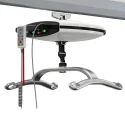
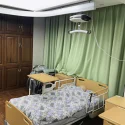
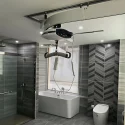
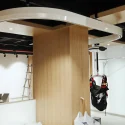
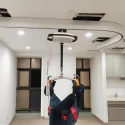
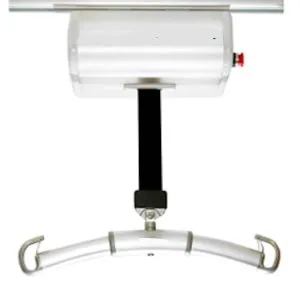
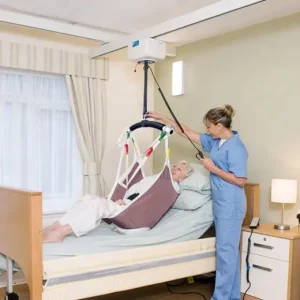
The Advanced Ceiling Hoist (CH100) is an overhead patient hoist that makes transfers between a bed, wheelchair, toilet, shower or bath safer and more comfortable, while reducing manual lifting for carers. Running on a ceiling-mounted track, it keeps the floor clear and supports frequent, repeatable transfers in homes, aged care facilities, hospitals, rehabilitation centres and disability accommodation.
Manufactured to EN ISO 10535, the international standard for hoists used in the transfer of people with disability (adopted in Australia as AS/NZS ISO 10535). Supplied and installed by Gilani Engineering, an ISO 9001 certified company. Ceiling hoist installation across Sydney and surrounding areas, with systems supplied Australia-wide.
Key Features
- Lifts safely up to 200kg.
- Ceiling-mounted overhead transfer for smooth, controlled movement.
- Quiet, compact motor suitable for home or facility use.
- Compatible with bed, wheelchair, toilet and shower transfers.
- Emergency stop and manual emergency lowering.
- Overload protection.
- Water resistant (IPX4) — suitable for bathroom environments.
- Rechargeable battery system with user-friendly hand control.
- Compatible with straight and room-covering track systems.
Technical Specifications
- Maximum capacity: 200kg
- Unit weight: 10–13kg
- Lifting strap length: 2200mm
- Maximum lifting range: 1950mm
- Battery: 36V rechargeable system
- Lifting speed: Approximately 40mm per second
- Noise level: 45–55dB
- IP rating: IPX4 water resistant
- Compliance: Manufactured to EN ISO 10535
Ceiling Hoist vs Floor Hoist
Both assist with patient transfers, but a ceiling hoist is often preferred where transfers happen frequently. Unlike a mobile floor hoist, it does not take up floor space or need manual positioning before each transfer.
- No floor legs obstructing movement.
- Reduced caregiver effort.
- Easier manoeuvring around furniture.
- More efficient for regular transfers.
- Suitable for bedroom-to-bathroom transfer pathways.
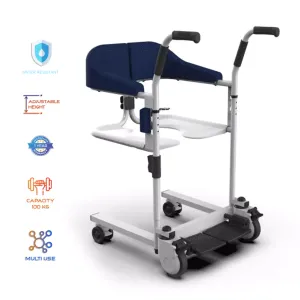
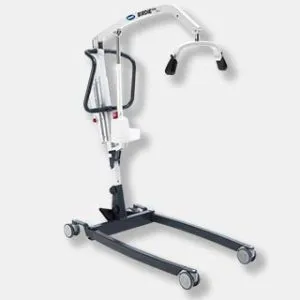
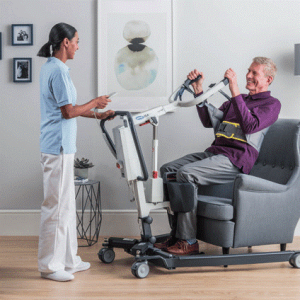
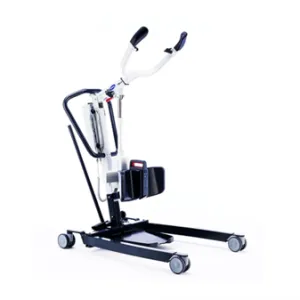
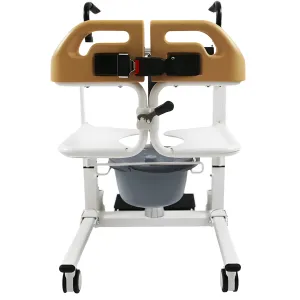
Depending on requirements, a mobile hoist or sling lifter may also suit.
Ceiling Hoist Track Systems
The hoist is compatible with a range of track configurations, designed around the room and the transfer pathway:
- Straight track systems for transfers between two fixed points.
- Room-covering track systems for flexibility within larger spaces.
- H-frame systems.
- Multi-room and bedroom-to-bathroom transfer systems.
- Custom ceiling track configurations.
Who It Suits
Wheelchair users, people needing assisted transfers, those with limited weight-bearing ability, people living with spinal cord injury, Multiple Sclerosis, Motor Neurone Disease or Cerebral Palsy, NDIS participants, and elderly people requiring transfer support in home or aged care settings.
Australian Standards & Safety
The CH100 ceiling hoist is manufactured to EN ISO 10535, the international standard for hoists used in the transfer of people with disability (adopted in Australia as AS/NZS ISO 10535). Gilani Engineering is an ISO 9001 certified company, and every hoist is professionally installed and load-tested with a site inspection and structural review before handover.
NDIS, Support at Home & DVA Funding
Ceiling hoists may be funded under the NDIS where assessed as reasonable and necessary to support transfers and daily living, usually following an occupational therapist assessment. Support at Home and DVA (Rehabilitation Appliances Program) funding pathways may also apply where eligible. For occupational therapists, plan managers and support coordinators, we provide product specifications, EN ISO 10535 compliance documentation and quotations to support assessments and reports. See our NDIS Assessment Room for more.
Installation & Support
Gilani Engineering installs ceiling hoists throughout Sydney — including Western Sydney, South West Sydney, Northern Sydney, the Hills District, Inner West, Eastern Suburbs and surrounding areas — and supplies ceiling hoist systems Australia-wide. Each installation includes consultation, transfer needs assessment, OT collaboration where required, site inspection, custom track design, professional installation and load testing, user and carer training, and ongoing support.
Ceiling Hoist Systems — Frequently Asked Questions
How much does a ceiling hoist cost?
Cost depends on the track configuration, room layout and whether a single-room or multi-room system is required. Contact our team for a quote based on your space and transfer needs.
Can a ceiling hoist be funded under the NDIS?
Yes, where assessed as reasonable and necessary to support transfers and daily living, usually following an occupational therapist assessment. Support at Home and DVA pathways may also apply where eligible.
Is the ceiling hoist compliant with safety standards?
Yes. The CH100 is manufactured to EN ISO 10535, also adopted in Australia as AS/NZS ISO 10535. Gilani Engineering is also an ISO 9001 certified company.
What is the difference between a ceiling hoist and a floor hoist?
A floor hoist is a mobile unit that must be positioned before each transfer and takes up floor space. A ceiling hoist runs on an overhead track, keeping the floor clear and making frequent transfers quicker, particularly along set pathways such as bedroom to bathroom.
What weight can it lift?
Up to 200kg, with quiet operation and safety features including emergency stop, manual emergency lowering and overload protection.
Do you install outside Sydney?
Installation covers Sydney and surrounding areas. For clients elsewhere in Australia, we supply ceiling hoist systems Australia-wide with product guidance and support.
Related Transfer & Mobility Solutions
Explore our Patient Transfer Aids, Hoists & Sling Lifters, Wheelchairs and Hospital Beds.




Reviews
There are no reviews yet.