



Australians searching for mobility solutions aren’t looking for motivation – they’re looking for clarity.
If you’re living with a disability, supporting a family member, or planning accessibility upgrades, you’ve probably asked:
- Is this covered by the NDIS?
- Why do some applications get approved while others get rejected?
- How do vehicle or home modifications actually work in Australia?
This guide explains how NDIS mobility funding really works – in plain English. No sales language. No confusing jargon. No outdated information.
What Is the NDIS and Why It Matters for Mobility
The National Disability Insurance Scheme (NDIS) supports Australians with permanent and significant disabilities by funding supports that are considered reasonable and necessary.
For mobility, this may include:
- Mobility equipment
- Vehicle or home modifications
- Assistive technology
- Specialist engineering and accessibility solutions
Mobility Supports Commonly Approved Under NDIS
Mobility Equipment (Often Approved)
NDIS funding commonly supports mobility equipment that directly improves daily function and independence, such as:
- Manual and powered wheelchairs
- Mobility scooters (when functionally justified)
- Pressure care cushions
- Transfer aids and hoists
- Custom seating systems
Note: Approval is based on functional need, not brand or preference.
For commonly funded equipment such as electric wheelchairs and daily-use assistive devices, it’s important to choose solutions designed for long-term use, safety, and ongoing support in Australia.
Vehicle Modifications (Case-by-Case)

Vehicle accessibility funding is assessed individually and may include:
- Wheelchair-accessible vehicle (WAV) conversions
- Hand controls
- Wheelchair hoists
- Transfer seats
- Driving aids for independent access
Vehicle modifications must demonstrate a clear link to independence, safety, and participation.
Home Accessibility Modifications
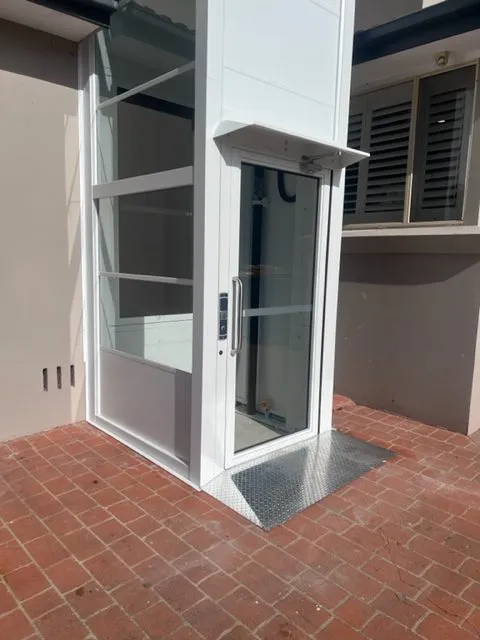
NDIS funding may also support home modifications such as:
- Ramps (portable or fixed)
- Bathroom accessibility upgrades
- Door widening
- Handrails and grab bars
- Level-entry showers
These supports are typically approved when they reduce risk, improve daily access, or support safe caregiving.
What the NDIS Usually Does Not Cover
This is where most people get stuck. The NDIS generally does not fund:
- Luxury upgrades or non-essential features
- General vehicle purchases without strong justification
- Modifications unrelated to disability needs
- Duplicate equipment already funded
- Poorly documented or unsupported applications
If an application lacks:
- Clinical justification
- A clear explanation of functional impact
- Detailed, compliant quotes and specifications
…it is very likely to be rejected.
How the NDIS Decides What’s “Reasonable and Necessary”
NDIS assessors typically look for five things:
- Does the support relate directly to the participant’s disability?
- Does it assist with daily activities or community participation?
- Is it value for money compared to alternatives?
- Is it evidence-based and clinically supported?
- Is it safe and compliant with Australian standards?
Documentation quality matters more than the product itself. Strong assessments and compliant engineering documentation make the difference.
Vehicle Modifications: The Most Misunderstood Area

Vehicle accessibility is where applicants lose the most time – and money.
Common Mistakes
- Purchasing a vehicle before approval
- Using non-certified installers
- Ignoring state or national compliance requirements
- Submitting generic or incomplete quotes
What the NDIS Expects
- A clear explanation of functional need
- Certified modification designs
- Compliance with Australian Design Rules (ADR)
- Professional installation and formal sign-off
If any part of this process is missing, approvals often stall or fail.
Why Certified Mobility & Engineering Providers Matter
The NDIS doesn’t fund products – it funds outcomes.
Certified mobility and engineering providers:
- Understand NDIS terminology and assessment criteria
- Prepare compliant technical documentation
- Design solutions around real-world use
- Coordinate with occupational therapists and support coordinators
This isn’t retail. It’s engineering, compliance, and lived experience working together.
Step-by-Step: How to Apply for NDIS Mobility or Modifications
- Obtain a functional assessment (OT or relevant specialist)
- Identify the real mobility or access barrier
- Select appropriate equipment or modification
- Obtain compliant quotes and technical specifications
- Submit with clear functional justification
- Respond promptly to any clarification requests
Shortcutting steps often leads to rejection or long delays.
Get Advice Before You Spend
NDIS mobility funding isn’t about buying equipment – it’s about building safe, compliant, long-term solutions.
If you’re planning:
- Mobility equipment
- Vehicle accessibility
- Home modifications
Getting professional guidance before spending money or submitting paperwork can prevent costly mistakes and long delays.
Learn more about our mobility and accessibility solutions in Australia, or speak with a specialist before making a decision.



