Tilt-in-space electric wheelchairs and positioning features provide advanced posture support, pressure relief, and all-day comfort. These powered chairs allow users to adjust their seating position, improving stability and reducing the risk of pressure injuries.
Ideal for home and community use, including NDIS participants with complex needs, they support greater independence and long-term mobility.
Looking for a manual option? View our tilt-in-space wheelchair range.
Explore our tilt-in-space electric wheelchairs below or contact us for personalised advice.
Showing all 3 resultsSorted by popularity
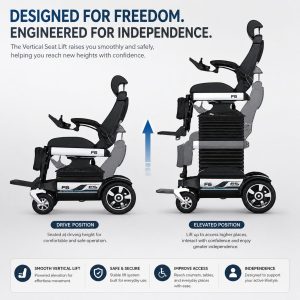

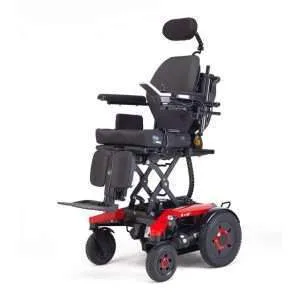
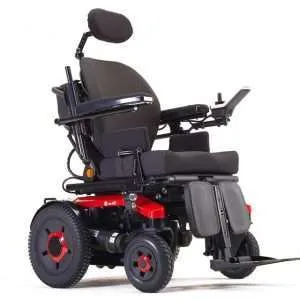

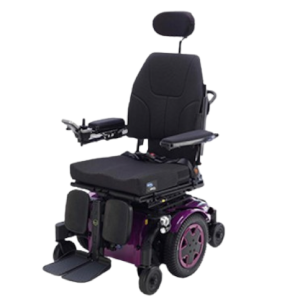
Tilt-in-space electric wheelchairs provide advanced positioning, pressure management and postural support for users with complex mobility needs. Designed for long-term seating, these powered wheelchairs allow the entire seating system to tilt while maintaining alignment, helping reduce pressure, improve comfort and support everyday independence. At Gilani Engineering, we supply tilt-in-space electric wheelchairs Australia wide with NDIS support available.
Tilt-in-space electric wheelchairs are designed for advanced posture support, pressure relief, and long-duration seated comfort. These powered systems allow users to adjust positioning at the touch of a button, improving stability, reducing fatigue, and lowering the risk of pressure injuries.
Ideal for home, community use, and NDIS participants with complex needs, they support greater independence and long-term mobility.
If you are exploring other options, you can also view our full range of electric wheelchairs in Australia or manual tilt-in-space wheelchairs.
Tilt-in-space electric wheelchairs are commonly prescribed for individuals who:
By redistributing weight and reducing sustained pressure, electric tilt systems help protect tissue integrity and improve daily comfort.
For users requiring transport solutions, explore our wheelchair vehicle conversions and wheelchair hoists for cars.
Manual tilt-in-space wheelchairs:
Electric tilt-in-space wheelchairs:
For users needing consistent repositioning and greater independence, electric systems provide a significantly higher level of support.
Tilt is often confused with recline, but they serve different clinical purposes.
Recline systems adjust only the backrest angle, which can increase shear forces and reduce stability.
Tilt-in-space electric wheelchairs move the entire seating system as one unit, which:
Pressure injuries often develop beneath the surface before becoming visible.
Powered tilt functionality helps:
Early use of advanced seating systems can significantly reduce long-term health risks.
Tilt-in-space electric wheelchairs are commonly funded under NDIS plans for complex assistive technology.
We provide:
If you are applying through NDIS, early consultation ensures correct configuration and smoother approval. Learn more about our NDIS mobility equipment support.
Selecting the right model depends on:
A professional assessment ensures safe, effective, and long-term outcomes.
Due to the clinical nature of these systems, assessment before purchase is strongly recommended.
Speak with our team to discuss:
Explore our range of tilt-in-space electric wheelchairs below or contact us for personalised guidance.
We're here to help you find the right solutions for your needs
Send us your enquiry and our team will contact you with product details, pricing and availability.


