Electric mobility scooters supplied across Australia from $2,390 — lightweight folding models from 19kg, automatic one-touch folding scooters, stable 3 and 4-wheel options, and heavy-duty scooters up to 200kg capacity.
Showing all 15 resultsSorted by popularity
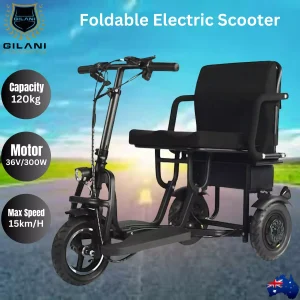


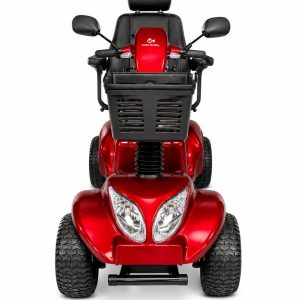 Sale!
Sale! 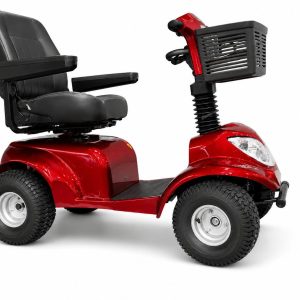
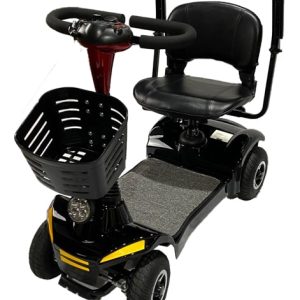

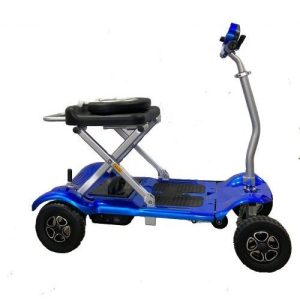


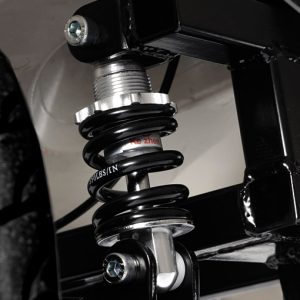
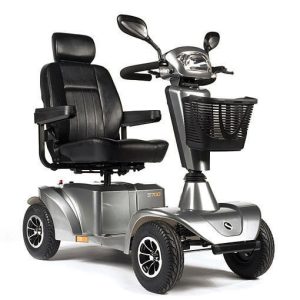
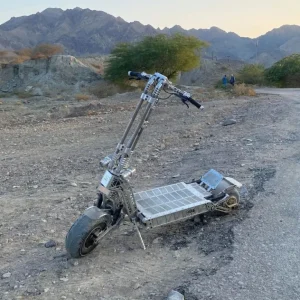
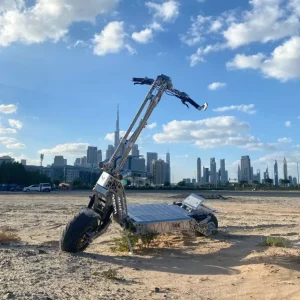
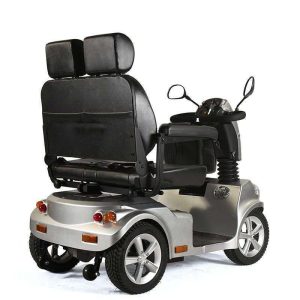
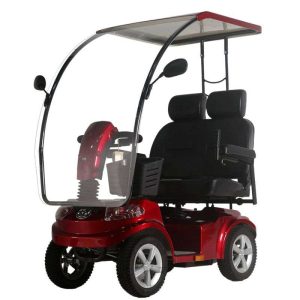
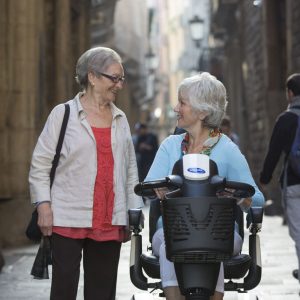
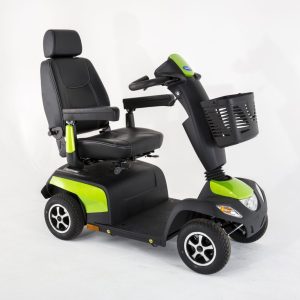
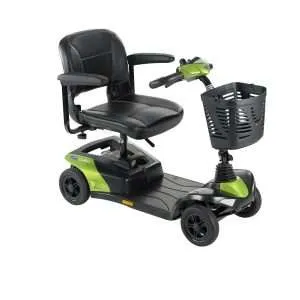
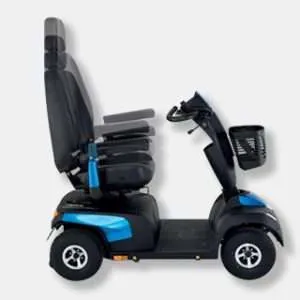
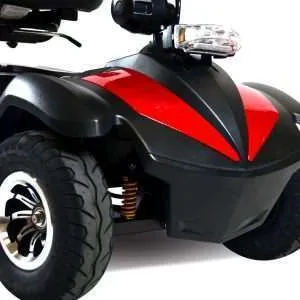
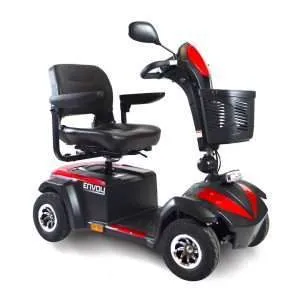
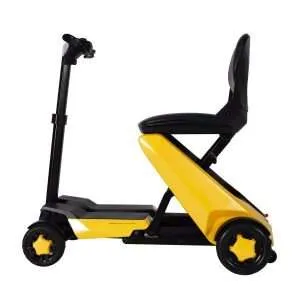
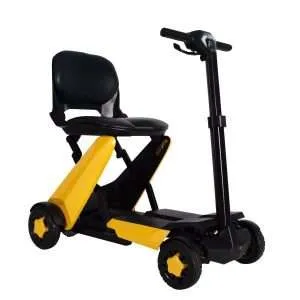
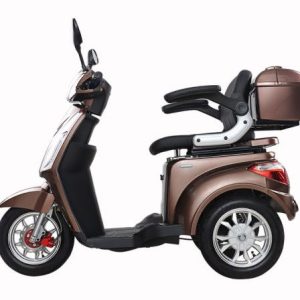

Shop mobility scooters in Australia for everyday community access,
shopping, travel, car transport and longer outdoor journeys. Gilani Engineering supplies
folding, portable, travel, 3-wheel, 4-wheel, everyday and heavy-duty mobility scooters
for customers across Sydney, NSW and Australia.
Often searched for as an electric mobility scooter,
motorised mobility scooter, senior scooter or disability scooter,
the right model depends on much more than price. Consider where the scooter will be used,
how far you travel, hills and surfaces, user measurements, turning space, storage,
charging and whether the scooter needs to fit into a car.
Most importantly, choose a scooter you can operate, transfer onto, store,
charge and transport safely. Where possible, trial the scooter in conditions
similar to where it will actually be used.
Not sure which mobility scooter suits you?
Tell us the user’s height and weight, where the scooter will be used, expected travel
distance and whether it needs to fit in a vehicle. We can help shortlist suitable models
before arranging a trial.
Start with how you intend to use the scooter. A lightweight folding scooter designed for
frequent car transport solves a very different problem from a large scooter used every day
for longer outdoor journeys.
Compact scooters designed for easier storage, vehicle transport, shopping, holidays and
customers who regularly travel with their mobility equipment.
Mid-size scooters for regular shopping, appointments and local travel where comfort,
range and outdoor performance matter more than minimum lifting weight.
Larger scooters designed for higher capacities, longer outdoor journeys and customers
requiring more substantial seating, tyres, suspension or battery capacity.
Often selected where a tighter turning circle and manoeuvrability are priorities,
including shopping centres and selected indoor environments.
A broad range of portable, everyday and heavy-duty scooters with four-wheel platforms
for customers prioritising outdoor stability.
Selected models use powered or remote folding systems for customers who want to reduce
manual folding effort. Always check total lifting weight before choosing.
The best mobility scooter depends on how far you travel, the environment,
user requirements and how you will transport and store the scooter.
Start with folding or portable scooters. Compare folded dimensions,
total scooter weight and the heaviest component you actually need to lift.
An everyday mid-size scooter can provide more comfort, range and outdoor capability than
many ultra-portable scooters while remaining smaller than a heavy-duty model.
Check the manufacturer’s rated climbing ability, user weight, motor, tyres,
ground clearance and suspension. Do not assume every scooter can safely manage the same hill.
Look beyond the maximum user-weight figure. Check seat dimensions, overall scooter size,
access at home, storage and vehicle transport requirements.
Consider folding size, battery type, total weight, handling and airline or cruise requirements.
Always confirm battery and mobility-aid acceptance directly with the travel operator.
A mobility scooter may not always be the best solution. Compare turning space and control
needs with an electric wheelchair if the device will mainly be used indoors.
A folding mobility scooter or portable scooter is designed for customers
who regularly need to move the scooter between home, a vehicle and their destination.
They are popular for shopping, appointments, holidays and users who do not have space
to store a full-size scooter.
Do not choose one based only on the headline product weight.
For vehicle transport, check:
This is one of the most important questions to answer before buying
a portable mobility scooter.
Measure the vehicle’s real boot opening rather than relying only on published cargo volume.
Check opening width, opening height, usable floor length and any lip that the scooter must
be lifted over.
If a suitable scooter is still too heavy to lift manually, Gilani Engineering also supplies
and installs
mobility scooter boot hoists and vehicle lifting solutions
.
For lighter equipment, you can also compare our
portable wheelchair and mobility ramps
,
subject to suitable weight, width and loading conditions.
A heavy-duty mobility scooter may be appropriate for customers who need
greater user capacity, larger seating, longer-distance outdoor performance or a more
substantial platform for demanding environments.
Before choosing solely on maximum capacity, also compare:
Often preferred where manoeuvrability and a tighter turning circle are important.
Stability and suitability still depend on the individual model, user and environment.
Often selected by users prioritising a broader wheelbase and outdoor stability.
Check total dimensions and turning circle where indoor manoeuvrability is important.
Advertised battery range is useful for comparing scooters, but it should not be treated
as a guaranteed real-world travel distance.
Actual range can vary with user load, hills, tyre pressure, battery condition, surface,
temperature, stop-start travel and accessory use.
Hills
Check the manufacturer’s rated gradient for the actual scooter model.
Suspension
Important where footpaths and outdoor surfaces are uneven.
Tyres
Tyre type and size can affect ride comfort and terrain capability.
Ground Clearance
Relevant for kerb transitions, driveways and uneven ground.
Mobility scooter prices vary significantly according to portability, battery,
construction, seating, capacity, range and features.
Prices are indicative based on selected current models and may change.
Always check the individual product page or request a current quote.
Many older Australians use mobility scooters to maintain independence for shopping,
appointments, visiting family and community access.
The best mobility scooter for an older person is not automatically
the smallest or cheapest model. Consider transfers, controls, vision, turning space,
stability, charging, car transport and whether another person will need to lift or handle
the scooter.
Where possible, trial the scooter before buying. A scooter that appears easy to operate
in a showroom should also suit the user’s real environment and daily routine.
Gilani Engineering works with Occupational Therapists, participants, families,
support coordinators and carers to organise mobility scooter trials and provide product
specifications and quotations.
The trial should reflect the person’s actual goals and environment rather than testing
only whether they can move the scooter around a showroom.
Physical Ability
Transfers, balance, endurance, upper-limb control and ability to operate steering,
throttle and braking controls.
Vision & Cognition
Hazard awareness, visual function, judgement, attention and reaction to changing environments.
Seating & Transfers
Seat dimensions, armrests, swivel function, leg position and transfer approach.
Environment
Home access, lifts, footpaths, kerbs, slopes, shopping centres and intended terrain.
Transport
Vehicle boot dimensions, lifting ability, boot hoist requirements and public transport.
Storage & Charging
Safe parking, charging location, access to power and who will manage charging and maintenance.
A mobility scooter may be funded through the NDIS where it meets the participant’s
disability-related needs and applicable funding requirements.
There is not a simple universal list of “NDIS approved mobility scooters”.
The relevant question is whether the proposed equipment is suitable for the individual
participant, their goals and the applicable Assistive Technology pathway.
Depending on the scooter’s cost, risk and the participant’s circumstances, the NDIS may
require written evidence from an allied health professional or another appropriate
Assistive Technology advisor. Some circumstances require more detailed assessment than others.
Gilani Engineering can provide supplier quotations, product specifications and information
about the models trialled. The prescribing or treating professional remains responsible
for the clinical recommendation where one is required.
Assistive technology may be available for eligible older Australians where it forms part
of their assessed support needs and meets the applicable program requirements.
The appropriate equipment should be determined through the relevant assessment and
funding pathway.
Eligible veterans may be able to access suitable mobility equipment under applicable
DVA arrangements where there is an assessed clinical need.
Funding may also be available through compensation, insurance or other programs depending
on individual eligibility. Contact the relevant funder or case manager and ask our team
for a product quotation where required.
Mobility scooter users in NSW are generally treated as pedestrians and need to follow
the applicable pedestrian rules.
Rules can differ across Australian states and territories, so customers outside NSW
should confirm current requirements with their local transport authority.
For current NSW information, read our guide:
Not every mobility scooter will suit every public transport service.
Operators can specify maximum mobility-aid dimensions, total weight, turning space and
boarding requirements.
If public transport is important, consider overall scooter dimensions and turning circle
before purchasing rather than assuming a compact-looking scooter will automatically comply.
Always check the current requirements of the relevant transport operator before travelling.
Some folding and travel mobility scooters may be suitable for air travel, but
“airline approved” should never be assumed to mean every airline will accept
the scooter or battery automatically.
Before booking or travelling, provide the airline with:
Confirm the airline’s current mobility-aid and dangerous-goods requirements directly,
as rules can vary by airline, aircraft and battery configuration.
A mobility scooter and an electric wheelchair both provide powered mobility, but they
serve different needs.
Buying a mobility scooter is only the beginning. Batteries, tyres, chargers,
controllers and other components may require maintenance or replacement over the life
of the scooter.
Gilani Engineering provides mobility scooter servicing and repair support from our
Smithfield workshop. Contact us with the scooter make, model and fault so we can confirm
service and parts availability.
Buying is not always the right first step. Mobility scooter hire can be useful for
short-term recovery, holidays, temporary mobility needs or where equipment is required
for a limited period.
Availability varies by model and location.
Pre-owned, ex-hire or refurbished mobility scooters may occasionally become available.
Availability changes regularly.
When comparing a second-hand mobility scooter, ask about battery condition, age,
service history, tyres, charger, known faults and available replacement parts rather
than choosing on price alone.
Depending on the scooter model, accessories and replacement parts may include:
Compatibility depends on the scooter make and model. Contact our team before ordering
a replacement component for an existing scooter.
Try Before You Buy
Selected scooters can be trialled at our Smithfield showroom.
Home Demonstrations
Ask about home demonstration availability across the Sydney area.
NDIS Registered Provider
Supplier quotations and relevant product information available.
OT Trial Support
Assessment-room facilities and scooter trials with treating professionals.
Vehicle Loading Solutions
Boot hoists and loading solutions for customers unable to lift their scooter manually.
Repairs & Servicing
Workshop support for servicing, batteries, faults and replacement components.
Hire Options
Short-term mobility scooter hire is available on selected equipment.
Australia-Wide Delivery
Ask our team about current shipping options for your location.
Visit Gilani Engineering at 14 Smithfield Road, Smithfield NSW 2164
to discuss mobility scooters, trials, vehicle loading and servicing.
We support customers across Greater Sydney, NSW and Australia.
There is no single best mobility scooter for every person. The right choice depends on
the user’s measurements, ability to operate the controls, intended travel distance,
terrain, storage, transport method and required weight capacity.
Prices vary according to size, battery, capacity, folding system and features.
Selected lightweight folding scooters in our current range start from around $2,390,
selected mid-range models are approximately $3,880–$4,990 and selected heavy-duty scooters
start from around $6,900. Check current product pricing before ordering.
The best folding scooter depends on what matters most to you: low lifting weight,
small folded dimensions, automatic folding, range, seat comfort, suspension or user capacity.
A model that is ideal for frequent car transport may not be the best scooter for long outdoor journeys.
Very lightweight folding models are available, but always compare the complete scooter
weight, whether the battery is included in that figure and the heaviest component the user
or carer must physically lift.
It depends on both the scooter and vehicle. Compare the folded scooter dimensions with
the actual width, height and usable depth of the boot opening. Also check whether the
person loading the scooter can safely manage its lifting weight.
A vehicle-mounted mobility scooter hoist may remove the need to manually lift the scooter.
Gilani Engineering supplies and installs
scooter boot hoists
for suitable vehicles and equipment.
Neither configuration is automatically better. Three-wheel scooters often provide a
tighter turning circle, while four-wheel scooters are commonly selected by people wanting
a broader platform for outdoor travel. Suitability depends on the individual model,
user and environment.
Some models are designed for steeper terrain than others. Check the manufacturer’s
rated gradient for the exact scooter, together with user load, ground conditions,
battery condition and available traction.
Range varies by scooter and battery. Real-world distance can also change with user weight,
hills, temperature, tyre pressure, surface and battery condition. Treat the manufacturer’s
range as a comparison specification rather than a guaranteed daily distance.
Maximum speed varies by model. Safe and lawful use also depends on the rules in your
state or territory. Customers in NSW should read our
mobility scooter rules guide.
Mobility scooter requirements are governed differently from ordinary motor vehicles,
and rules vary by jurisdiction. Check the current requirements for your state or territory
before use. In NSW, mobility scooter users are generally treated as pedestrians.
Some mobility scooters can be used on public transport, but operators may impose
maximum dimensions, weight, turning and boarding requirements. Check the current
requirements of the relevant train, bus, ferry or light-rail operator before travelling.
Some travel scooters can be transported by air, but acceptance depends on the airline,
battery chemistry and battery specification. Contact the airline before travelling
and provide the scooter and battery details requested.
A mobility scooter may be funded where it meets the participant’s disability-related
needs and applicable NDIS criteria. The required supporting evidence depends on the
equipment’s cost, risk and the participant’s circumstances.
There is not a single universal product list that makes every scooter automatically
suitable for every participant. Suitability and funding depend on the person’s needs,
goals, evidence and applicable Assistive Technology process.
The required evidence depends on the cost, risk and individual circumstances.
NDIS may require written evidence from an allied health professional or another appropriate
Assistive Technology advisor, while more complex situations may require more detailed assessment.
Important areas include goals, transfers, seating, vision, cognition, upper-limb control,
endurance, turning and braking, intended distance, terrain, hills, home access, storage,
charging, vehicle transport and public transport requirements.
Yes. Contact Gilani Engineering to discuss trial availability at our Smithfield showroom.
Sydney customers can also ask about home demonstration availability.
Yes. Selected mobility scooters are available for short-term and longer-term hire depending
on current availability.
View mobility scooter hire options.
Gilani Engineering provides mobility scooter servicing and repair support from our
Smithfield workshop. Contact us with the scooter make, model and fault so we can confirm
service and parts availability.
Pre-owned, ex-hire or refurbished mobility scooters may occasionally be available.
Contact our team for current stock, condition and pricing.
Yes, Australia-wide shipping is available for selected mobility scooters.
Contact our team or check the individual product page for current delivery options,
lead times and freight costs.
Warranty terms vary by brand and model. Check the individual product page or ask our
team for the warranty information relating to the scooter you are considering.
Tell us the user’s height and weight, where the scooter will be used, expected travel
distance, terrain and whether it must fit in a car. We can help narrow the range before
you spend money on the wrong model.
We're here to help you find the right solutions for your needs
Send us your enquiry and our team will contact you with product details, pricing and availability.




